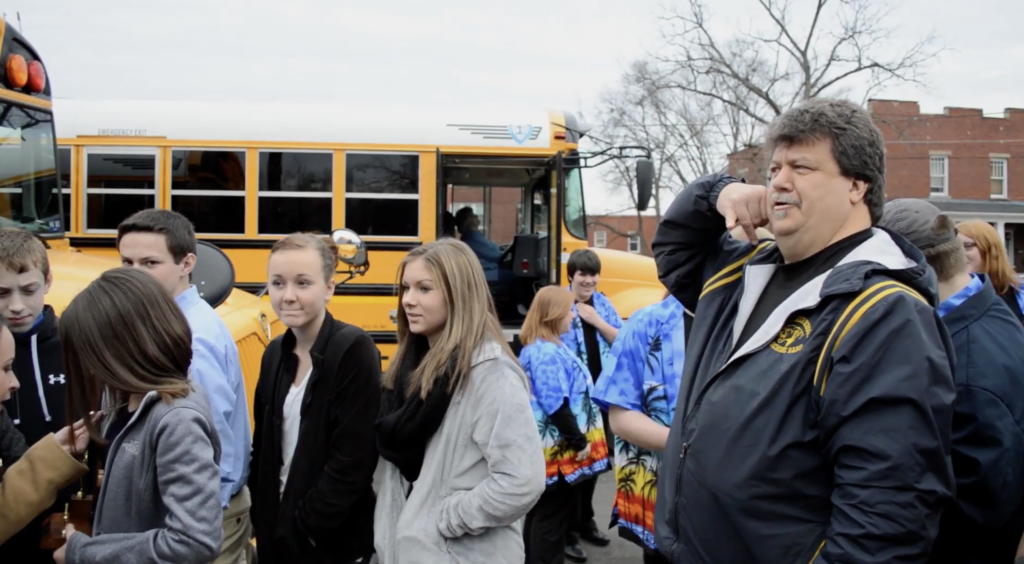
One night in a small-town gymnasium in West Virginia, a county commissioner, a judge, and two men from a local center for incarcerated people sat in a circle, talking.
The men from the center, which provides education and training for non-violent offenders, weren’t used to being in rooms like this or being asked for their thoughts by elected officials. But here, they were. Afterward, one of them pulled aside an organizer, still surprised. The officials, he said, had really listened.
“I thought they would think I was just some throwaway kid,” he said.
Across the room, the county commissioner had his own realization. He, too, felt heard in a way he hadn’t expected. He thanked the organizers and vowed to work more closely with the center.
“They both had these perceptions,” recalled Betty Knighton, who served as president of the National Issues Forums Institute from 2019 to 2022. “Yet both separately and spontaneously reported how valuable it was to hear from the other person.”
Moments like that weren’t rare, said Knighton. In fact, they became the point when, more than a decade ago before “What’s Next, America?” existed, a similar effort was taking shape across West Virginia.

West Virginians met in libraries, schools, gymnasiums, and community centers to talk about the challenges shaping their lives—from economic opportunity to addiction to opportunities for young people.
These weren’t easy conversations. People brought different perspectives and lived experiences. But through a structured process of deliberation, they did more than share opinions. They weighed options, considered tradeoffs, and worked toward action.
The effort, “What’s Next, West Virginia?” was built around three guiding questions: Where are we now? Where do we want to go? How do we want to get there?
Within two years, more than 40 communities had launched their own initiatives, often naming them for their towns, schools, or focus areas.
For Knighton, one of the leaders behind the effort through the West Virginia Center for Civic Life, the goal was clear.
“The goal is to help people set directions for how they want to work together, live together, and address problems in their communities,” she said.
What made the work powerful was what happened on the ground. In one community, residents started the county’s first Narcotics Anonymous group and organized transportation and childcare so more people could attend. In another, community members launched an arts festival to support young creatives. Across the state, people built new relationships and partnerships that continued beyond the initial conversations.
That work became the foundation for “What’s Next, America?” – a national initiative designed to help communities across the country come together to talk, decide, and act on the issues that matter most. As the nation approaches its 250th anniversary, the question remains open – and urgent: What’s next?